research

Define representation

How you portray someone or something in a particular way. Like how a certain population is made out to look like whether true or not

Define voyeurism and scopophilia

Voyeurism gaining pleasure from seeing someone when they can’t see you. Like in the Babadook the mother takes pleasure from looking at both a woman looking at a tv peacefully and people making out makes her happy.

Scopophilia taking pleasure from looking at someone

Define objectification

Objectification is when a person is seen as nothing more than their physical attributes and what the person objectifying the other thinks they act like. Like when people make a mental image of someone and don’t expect them to deviate from this and interpret every move like their sole purpose it to be a sexual object.

Define Laura Muley’s ‘Male Gaze’

It states that the media in question is built for men and so women will be objectified and makes the man in the right. It consists of how the man looks at the woman both actor and the person watching. The theory states that the way these movies are filmed objectifies women automatically and changes the way women are viewed in the movie.

Evaluating the theory

The theory is accurate when movies are filmed like this it discredits the actress and makes moviemakers more successful with a certain audience but it is not ethically right but since there aren’t any laws for ethics like this people don’t abide by how things should be the theory shows how women are reduced to their physical attributes a instance of this was Marylynn Monroe she was terrible as an actress but she was pretty so she did well even if she was hard to work with. The female is mostly the damsel in distress but when she is not she is either sexualised or over passed by a male character for instance Laura croft is sexualised as she has a different man in every film meaning she has to have a man to be successful whether he does something or not. Or princess leya she was supposed to be but she was put into slavery and that has become a more popular image.     

Semiotics

Semiotics is the study of signs and symbolism. semiotics is important to society as it defies language as people from different cultures may find that symbols are the same and sometimes symbols are different.

Polysemy

the coexistence of meanings for words or symbols as in where a symbol might connotate something negative somewhere, somewhere else it may mean something peaceful.   

Interactive possess interactive process is about open and closed text as some text is open and can have several meanings but closed means there is a meaning in mind and it does not have several meanings.

Denotation the literal meaning as a physical description

Connotation additional meaning what you think it could mean what the image makes you think

Anchorage the way the source keeps the meaning about it and how it is anchored to the possible meanings

In different cultures signs can mean many things through polysemy like how the swastika means peace  in some Asian cultures but means fear in America and Europe.

Open text is open to interpretation and how the reader draws inspiration from it. It is not defined by the writer but your own individual opinion as such it can mean many things a example in Frankenstein the writer referred him to a modern day Prometheus which is only a anchorage but not a direct meaning.

Closed text it is defined by the writer as such it is not open to interpretation and has literal meaning like animal farm a direct refence to the rise and failings of communism in Russia  

Sign the denotation what it physically is

Signifier the sound or image that makes the link

Signified the connotation what the sign means

Encoding & Decoding this is how your brain decodes messages into something you can understand like speaking in a different language a shared medium is spoken or said and then decoded into something they both understand.

Dominant reading closed text the creator has a defined meaning there is a point to them like childhood stories meant to act like a lesson

Negotiated reading anything that does not have a direct association normal stories the meaning is not blatant but you can draw several personal conclusions

 Oppositional Reading the opposite conclusion to what the story says sometimes this is intentional like with noughts and crosses its not that black people are better than Wight its that they are no better as in swapped situations society would be just as bad during times of oppression.

Star Theory

Stars aren’t like their constructed persona in many cases they put on a act to become more popular E.G Miley Cyrus she had to stay pg. to keep her Disney contract but when that ended she went in a different direction as her career took a hit when her target audience changed  

Stars wear trendy or designer clothes as it gives them both a good name so that they are popular enough for companies to pay them thousands in order for them to wear clothes making them seem rich and to be idolised

Less successful artists don get endorsed by companies so they make less money and as such don’t get idolised

Institutions make stars to make money for them to have tons of mascots endorsing their products in order to convince people that their product is good and trendy.

Genre

What is genre? Genre is a way of classifying movies based on their context. A genre is way of classifying movies so similar movies that employ common tropes can meet the same target audience. Most genres are loose and allow for a large variation in script and storyline just as long as they are similar in theme.

Insidious, Anabelle and the conjuring exemplify horror because they use ghosts and demons alongside dark atmospheres to create a scary tone. 

How can we categorise texts? By dividing them based upon their context and what the effect is supposed to be. Texts can be divided based upon their context, target audience and by summarising the content. This means you can tell what the general mood of a text is before reading.

What are sub-genres? Genres that fit into a smaller group while still belonging to the larger one. A subgenre might have more tropes and differences to more distinctly divide up. 

What are fixed genres? Genres that don’t allow other movies to be in them because of a defining piece of context. A fixed genre needs a key event to take place this means that the story follows the same track rather than the content being a defining feature.

What are non-fixed genres? Genres that allow a range of content. And story a ranged genre is lose and allows many options so there are many movies in these genres and also allows for subgenres or hybrid genres to help categorise the films.

What are hybrid genres? A movie or movies comprised of 2 or more genres these hybrids are more inclined to a specific part of one audience or the entirety of the 2 genres What is the cycle of a genre? It has 4 different parts primitives, classic, revisionist, and parody. These parts show the different ways genre

primitive, fly on the wall genre  this is am more base type each genre this type is less advanced and more of a developing genre  

 Classic true real-life documentaries it is the peak of the genres popularity and has a larger audience

revisionist, half true scripted but the events till take place. The originality is gone but it makes way for more revised and developed works  

 parody not factual never happened the environment is completely false. Not serious a mock of the previous parts in the cycle  

What is a non-genre or anti-genre text? The movie has many genres but doesn’t fit cleanly into them as it has many tropes like the girl with all the gifts

How do movie posters convey a film’s genre? They show how the movie looks and gives a brief impression of how/what the movie will look like

What is psychoanalysis?

investigating and explaining the mental disorders that people suffer from.

Why would media people care about or use psychoanalysis? In order to use in in depth to explain what a person acts like and replicate or compare into a media profile whist showing how that has an effect on the audience.

Who was Sigmund Freud? Sigmund Freud was a neurologist that redefined his field by explaining how he thought behaviour worked and why people act like they do.

What is the ID, ego and super-ego?

The id is the human instincts its why humans act like animals and the drive to survive like and animal. It is chaotic and unreasonable it is completely subconscious although the ego allows us to dictate our behaviour.

Ego is the mediator of the superego and the id what passes through our conscious mind and how we respond whether with the id (primitive behaviour based on survival) or the superego (less primitive more moral). The ego is for the mostly your conscious grip on your behaviour bordering on the preconscious

The superego it is all preconscious unconscious and conscious all at the same time it is developed during the psychosexual stage of development and is made based on the external sources a dominant superego can make someone neurotic.

What is the Virgin/Whore Dichotomy?

It is the theory that men don’t find good traits attractive but when a woman shows bad traits she is deemed untrustworthy but one trait had to be adopted. This is seen an media as stars adopt either of these traits to further their career like Miley Cyrus adopting one ort the other at different points in her life. Society values the pure trait and punishes the bad trait. or in Greece the mad describes a bad trait in order to get approval but in actuality it is the virgin trait that he hides.  

What is the Oedipal/Oedipus Complex?

The theory that we favour one parent over the other it is mainly men who are completely dependent on their mother going to them for protection and nurturing. the infant fears the father so he wants him gone. There is an example of this in the Babadook where the boy has no father and has an unhealthy relationship with his mother this causes him to act out whenever he is met with resistance in being with her. Or the boy where a matriarchal figure enters the house and when the patriarchal figure enters he acts wildly out of control.
audience research

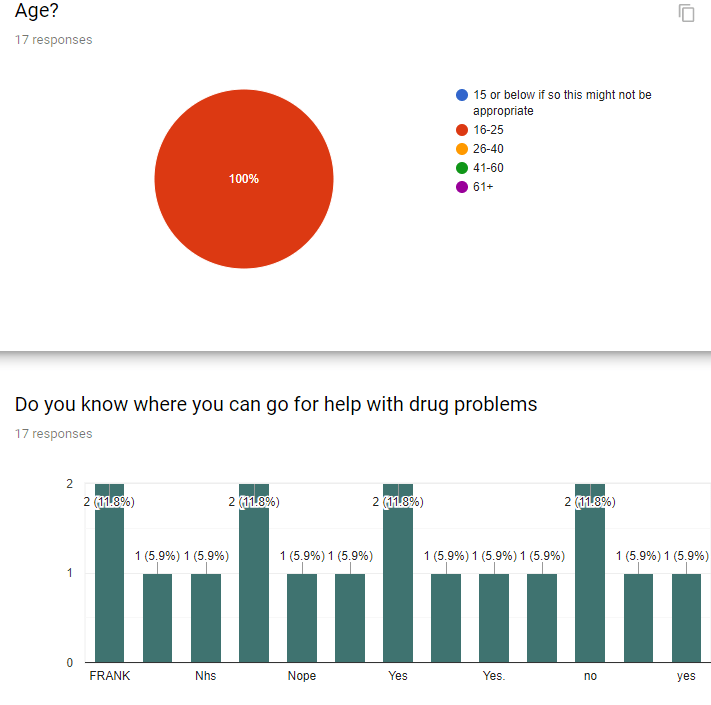
my target audience is one sole group the 16-25 age range this means i have to appeal to a younger audience order for my documentary to be successful i will have to cater to this age range exclusively to make sure i have a successful primary audience

6/17 people did not know where to go with a drug problem and even when people do know where to go those might not be the best options in most cases.

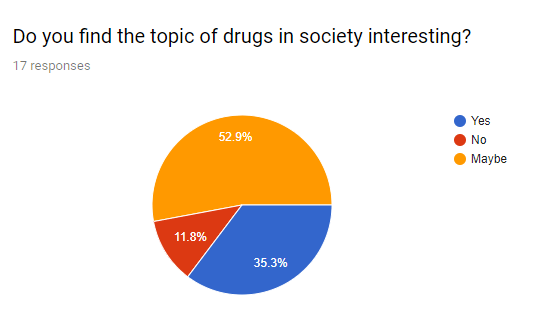
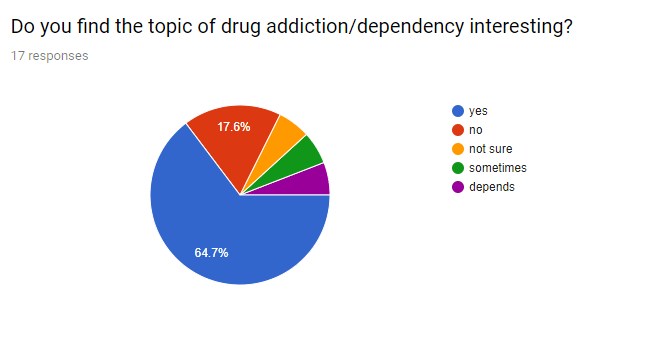
Most people find drug addiction dependency interesting so my target audience will find most of my source materials interesting

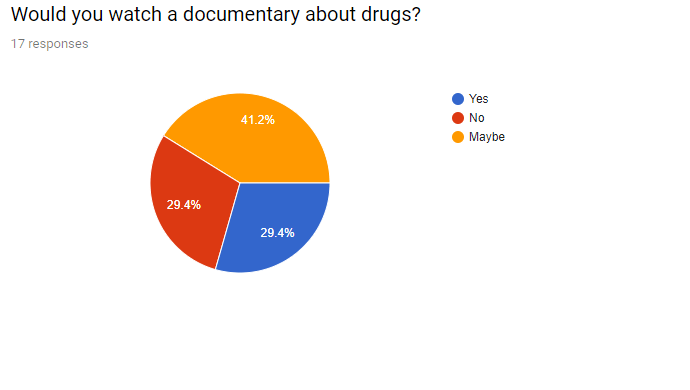
most people said they might watch a documentary about drugs so i will have to make my documentary more interesting to my target audience

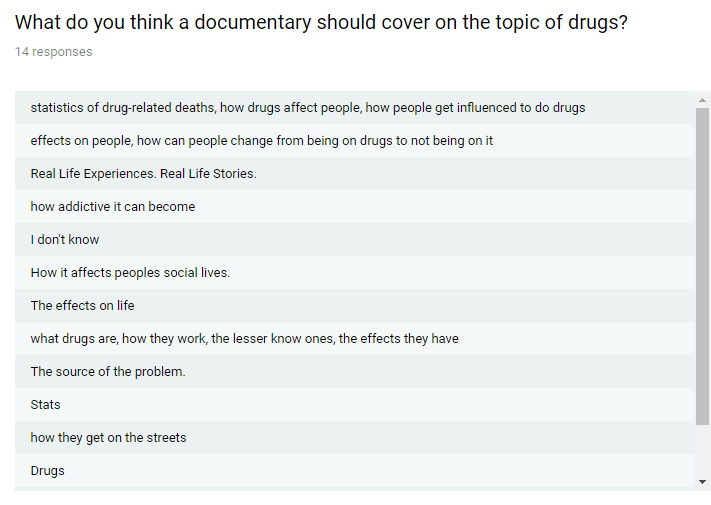
most people say i should focus on the unknown rather than being general this means that the audience might get lost but they don’t want to hear the things that everyone knows

most people only thought the subject might be interesting so i will have to insure that the subject matter is more interesting to most people

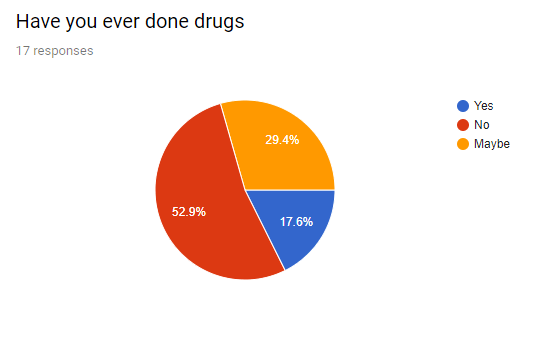
most people have never done drugs so they might have misnomers on how they work or what they do

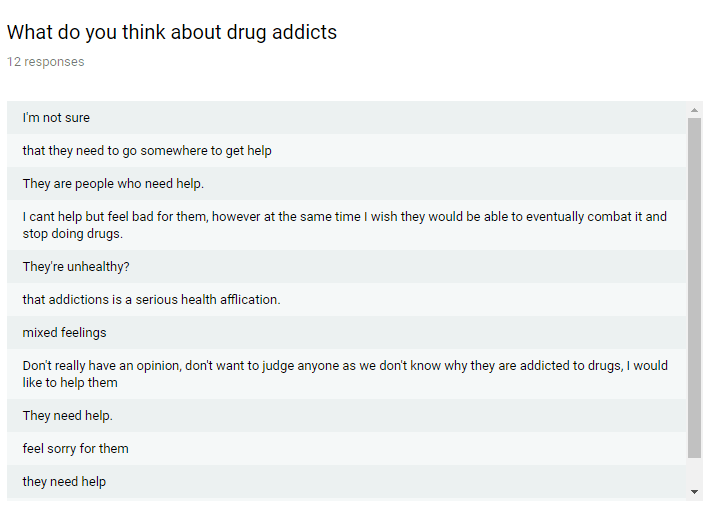
most people take pity on them this is good but they might not understand them so i might have to change their minds about the subject

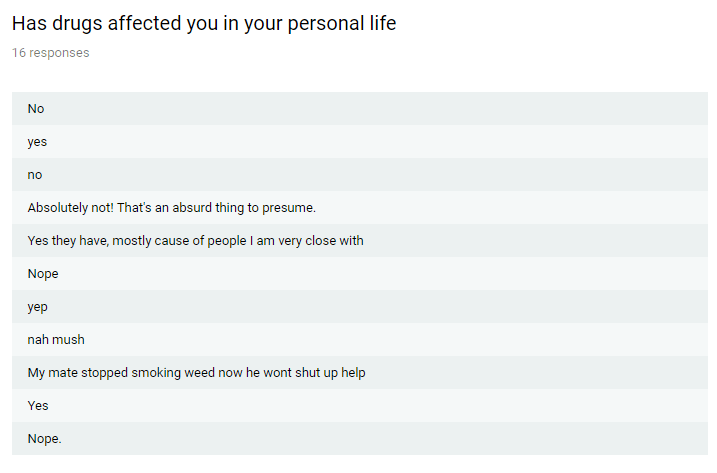
most people haven’t been affected so they do not know how they can affect a person socially

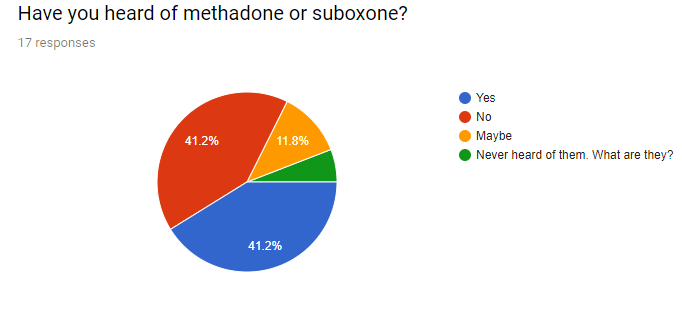
most people haven’t heard of them by a small margin so i should dedicate a small portion to explaining how they help but also how they take from the needy

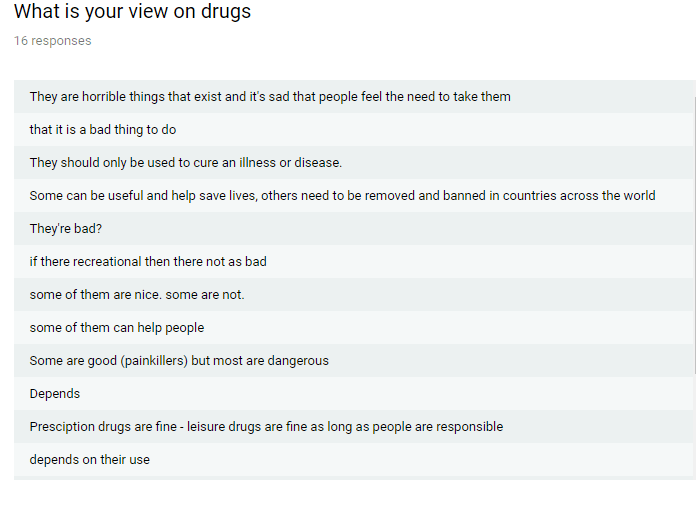
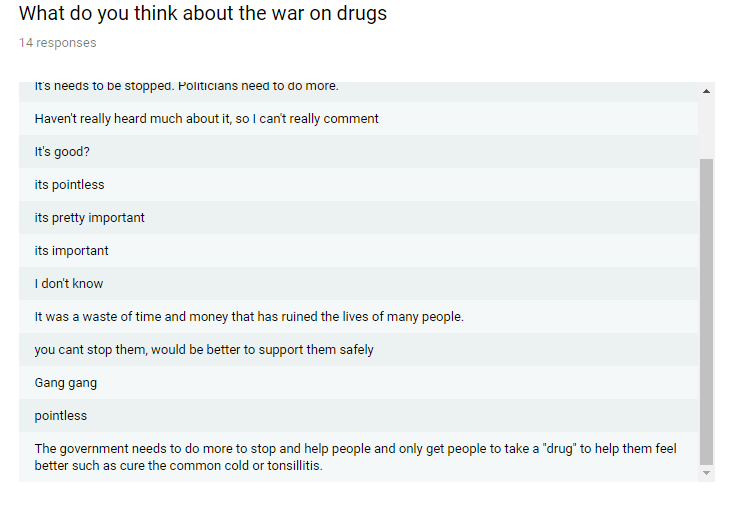
most people have huge misconceptions with drugs like how painkillers are good rather than the most commonly abused or how banning drugs fixes problems

most people also have misconceptions about the war on drugs but there is also a percentage that understand how bad it is

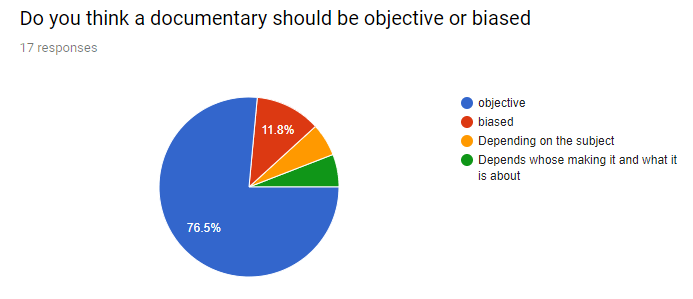
most people believe i should be objective so i should try to think more about the facts rather than peoples opinion

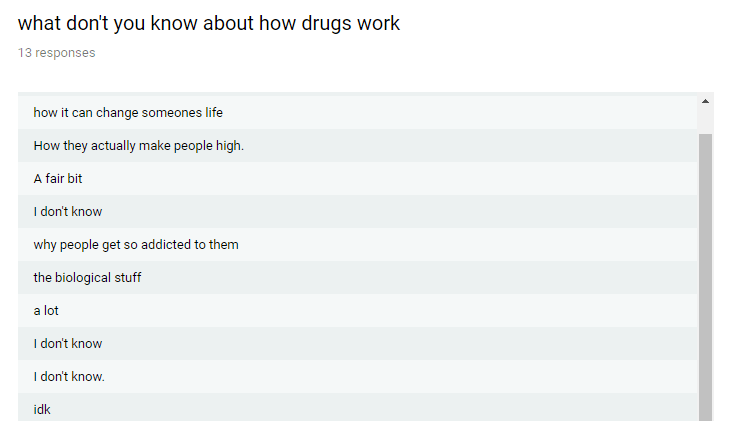
most people have huge gaps in knowledge about how drugs work

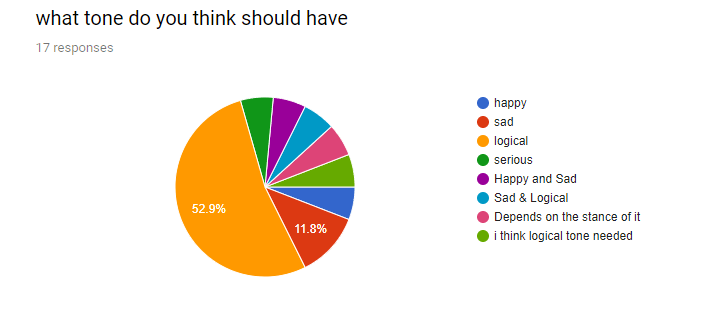
most people say logical witch also says i should keep a non biased approach this works well for me as i want to be objective and let people form their own opinions without my influence

documentary review:

Models of media

Maslow’s Hierarchy of Needs:

This model suggests that audiences have needs that need fulfilling so I will have to make the documentary with that in mind. i need to keep this in mind when talking about how drugs may affect these principals.

Examples: daily life

Cultural Effects Model:

This theory suggests what we see in media affects how we view the real world. i want this model to be true as i want to change how the audience view Drugs and their impact on society.

Examples: Movies

Hypodermic Syringe Theory:

Emphasises the power of media makes it seem like the media is both bad and too powerful. i want to challenge this theory as i want to challenge perceptions of Drugs and their affect that media has set up.  

Examples: News

The Two-Step Flow Model:

Is when media tells something and people continue the link by word of mouth. Its about the power of the media. i am hoping this is how my documentary will spread as people who watch will show others.

Examples: Instagram, Politics

Desensitisation Theory:

You consume so much media so you are desensitised to it makes us question representation. i going to need the sympathy of the audience so flashing bad image after bad image will only make it worse.

Examples: live leak

All assume the audience is passive

Audience theory

Primary Audience

this is my main audience the one i cater to and the largest part of who my documentary is catered to i have to be specific in the details about them because i have to make and the final product appealing to them and the more details i get the more i can cater to them

All genders

Ages 21-30

Addicts and sympathisers

All races

E Economically inactive D working class C2 skilled working class

Strugglers mainstream reformer

America, Great Britain, Canada (California, west Virginia, Florida and Kentucky) 

Camera Premier Pro

Found footage in background when statistics and pictures are being pulled up  

Observational Documentary

The style attempts to give voice to all sides of an issue by giving audiences first hand access to some of the subject’s most important (and often private) moments. Unobtrusive filming from the side-lines.

Narration

This is a traditional style of storytelling using a narrator who is off-camera and never seen. This generic “voice” is an objective storyteller. Often used in PBS documentaries.

Secondary audience

the secondary audience is who would watch it anyway without me catering to them the documentary will still be interesting to them even though they might not relate to the subject

Ages 18-65

Rest of the details don’t change

Demographic

The NRS Social Grades Divides Audiences into groups based on social class or socio-economic status:

A: Upper Middle Class. Higher managerial, administrative or professional

B: Middle Class. Intermediate managerial, administrative or professional

C1: Lower Middle Class. Supervisory or clerical and junior managerial, administrative or professional

C2: Skilled Working Class. Skilled manual workers

D: Working Class. Semi and unskilled manual workers

E: Economically Inactive. Pensioners, Students, unemployed. Very low-grade workers.

psycho-graphics

Psycho-graphic profiling targets audiences using psychological rather than demographic characteristics.

Resigned. Rigid, strict, authoritarian and chauvinist values, oriented to the past and to resigned roles. Brand choices stress safety, familiarity, economy. (Older).

Struggler. Alienated, disorganised. Heavy consumers of alcohol, junk food and lotteries, also trainers. Brand choice involves impact and sensation.

Mainstream. Domestic, conformist, conventional, sentimental, passive. Part of the mass, favouring big and well-known brands.

Aspirer. Materialistic, acquisitive, image, appearance, charisma, persona and fashion (Younger, clerical/sales type occupation).

Succeeder. Strong goal orientation, confidence, work ethic, organisation … support status quo, stability. Brand choice based on ethics, reward, prestige.

Explorer. Energy – autonomy, experience, challenge, new frontiers. Brand choice highlights difference, sensation, adventure, indulgence and instant effect (Younger – student).

Reformer. Freedom from restriction, personal growth, social awareness, independent, tolerant, anti-materialistic but intolerant of bad taste. Curious and enquiring. Select brands for intrinsic quality, favouring natural simplicity, small is beautiful. (Higher education).

geographics is where in the world my target audience is for me that is the places where drugs are the most rampant. this is a good way to graph people because their environments are different so things that happen near them may change their views while still being in those other graphics.

stereotypes depend on mostly untrue assumptions about a group of people it can be useful because it may hit the actual demographic but in most cases it is not a moral way of dividing people

Vicarious thrill:

Living life through another person the concept of exiting movies being like you are doing that action vicariously completing that action

Catharsis:

When you come to a mental resolution or understanding

Reception Theory

Reception theory implies Media Audiences are active, and that they never passively consume a media text. An audience is always making meaning from a text and this is based upon their education, Ethics, culture etc. As such, every audience member takes a different meaning. Reception theory argues that no text has meaning by itself, but it is the relationship between the text and the audience that manifests the meaning.

Bias:

Privileging one perspective over another for instance with a point that backs me up i might favour that over one that goes against me and i will try not to let that be the case.

Subjective:

Being opinion based (making assumptions based on opinion). i want to stop those assumptions going against Addicts.

Objective:

For something to be objective you need to have no opinion only present facts and let others draw conclusions from that the downside is that it is not that effective

primary research

research you have conducted yourself and you are the first person to compile that data this is the most effective as you yourself have ensured that your research was not flawed

secondary research

the research someone else has done and posted their findings this is less credible as you dont know if it is 100% true unless its from a credible source

research pluralism

when the research that has been conducted includes both primary and secondary research this is the most effective because it shows quality as well as quantity

theoretical research

research that is entirely theoretical and has not been conducted in a physical form so it is logically correct but has not been proven

empirical research

research that has been proven and has a logical explanation this is the most credible because it shows it works on both a logical and pragmatic standpoint

Ethnographic Research

research where you join a group or demographic and take part in their conventions this kind of research shows bias as you are not an external source but an active part

quantitative research

a large group of people all taking one survey this means each person can only have a few options per questions so the qality may not be the best in this kind of research

qualitative research

one person interviewed in depth so it is the most accurate and it allows for a more in depth explanation and reasoning but it is only one source so it does not say for the whole demographic

Positivistic Research

research looking for patterns and trends in data like logistical research. it shows that there is a pattern in behaviour that can be interpreted and predicted

Interpretivistic Research

based on meanings behind the research being more in-depth with the research. it shows how you can predict behaviour and why the subject acts like it does

structured interviews

completely scripted interviews they are good because that allow to compare responses but has to be strictly kept to

semi structured interview

allows anecdotes and tangents but still has questions that are scripted

hard news

serious facts no jokes there are only facts there cant be any joking because people might get mad and disrupt the tone

combative news

when there is a debate during the interview where one party introduces confrontational stance on interviewing

investigative

deliberate find out something meaningful you documentary exploits empathy to find meaning in the subject

light hearted

comical and fun there is nothing hard hitting or pressing about it. they are mostly for entertainment

promotional

to promote new or upcoming content more like like hearted but here cannot be any confrontational speech for it to be successful the promotional interview is

loaded questions

questions that have a pre-existent answer and lets the reporter get the answer they want with no context in order to make their point

imposition problem

where people avoid questions that reveal competing facts this creates misinformation and it uses smaller amounts of research in order to make their point seem true

demand characteristics

where people give subtle clues about how they feel it is how a person acts on what their response is going to be like and what they actually feel about a subject