target setting

these are the targets i need to achieve within the next 2 weeks

2 textual analysis focus on micro and macro elements based on what the theme of our FMP is on

internet research (reference website/web page)

blog on notes

reference list ALL sources (elles kenney)

finalise book research

write blog on elles kenney interview blog

dedicate time to work

experimental filming

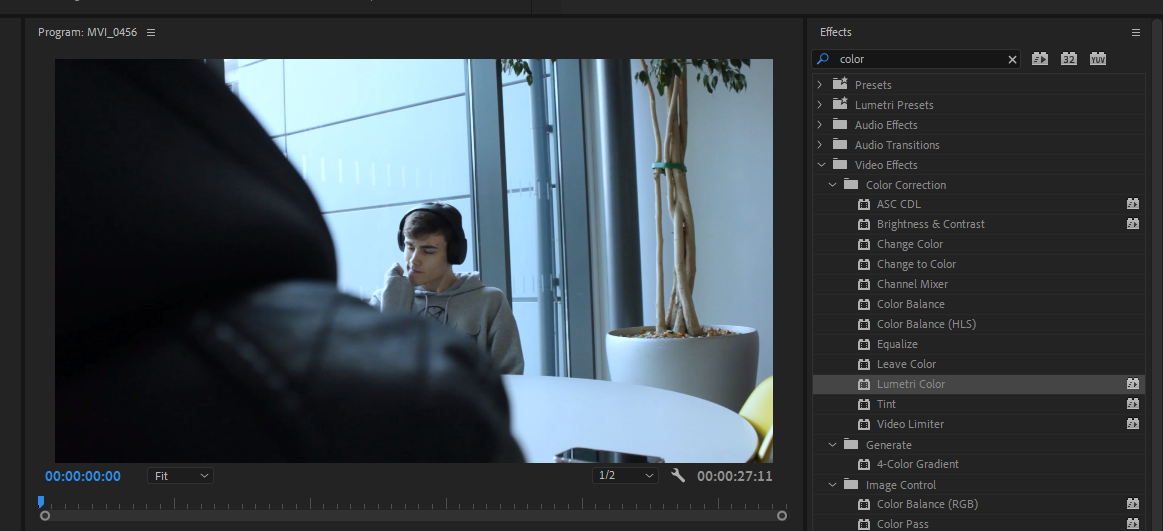
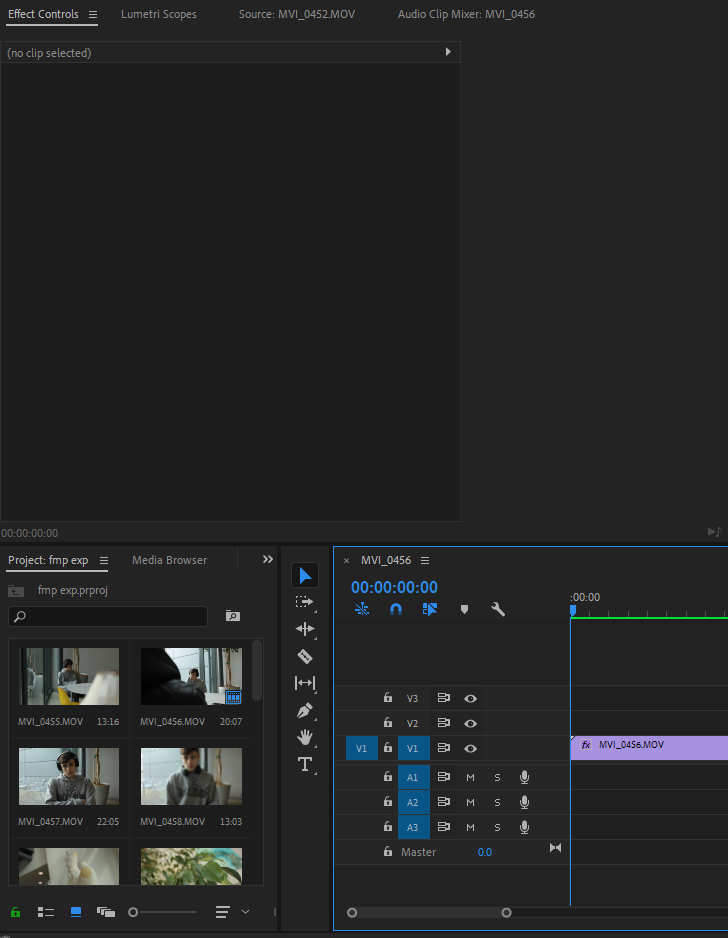
colour grading

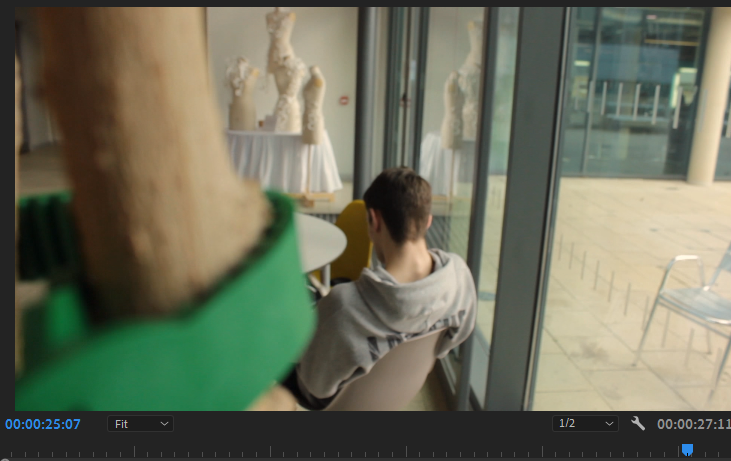
Colour grading We are also going to use editing software to change what the video looks like and what it contains we will also change the context of the video and manipulate what the video looks like to what it contains so the independent video contains several points. we did an over the shoulder shot so i just changed the temperature

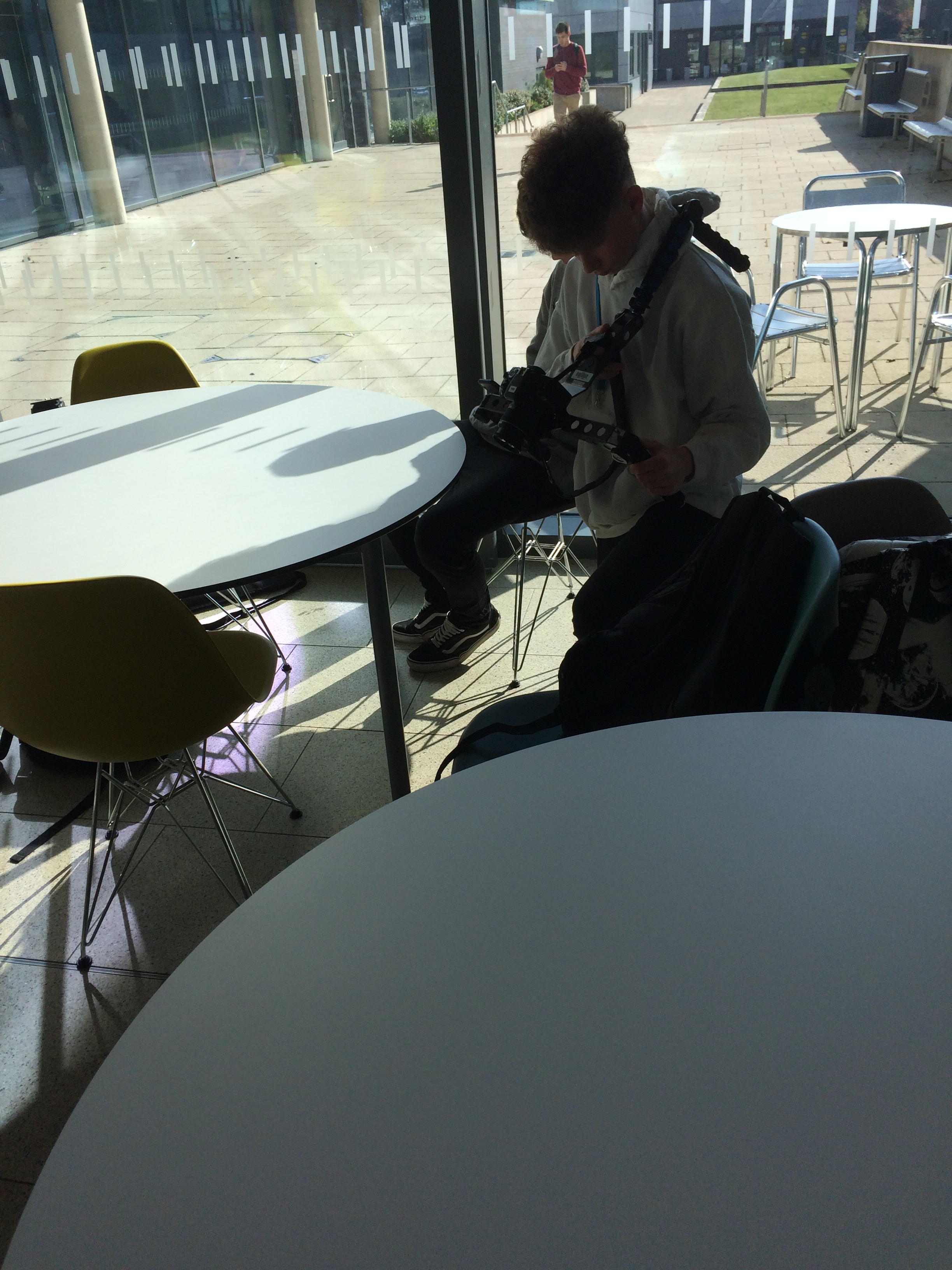
high angle shot

High angle shot We are going to use the physical camera in the first experiment by changing the maneuvering and manipulating the camera we will create practical effects and show what we can do with the camera physically whist trying to create a more astatically refined source. The camera will be moved around the subject we will have to change the independent photo to make it our own.

7 Deadly sins of filming

1 Don’t shoot everything 

You don’t have to shoot everything shoot what you need rather than what you have to think about what you are shooting and have to think about what the scene portrays. It also make editing easier so you don’t have to sift through several large clips for a 9 second clip. You have to plan your shots ahead of time

2 Take your time

Keep rolling rather than stopping the clip preemptively so the words aren’t cut off and you have enough time to take notice on what’s going on so when it cuts the audience aren’t confused

3 Leave headroom  

Get the right amount of headspace for the character you might end up with either a floating head or makes it claustrophobic so the person has enough space so they don’t look weird or lazily shot.

4 Don’t over or under expose

Either you over expose your background or underexpose the subject the sun needs to be the key light as to avoid the shot being to dark or to bright this effect is not especially hard to avoid but it can be a major failure in a shot

5 Don’t over zoom

It can make a sequence look good but if there are too many zooms it can make a sequence look bad especially in a sequence as it messes with the viewer’s special awareness and it can deteriorate the quality of the film

6 Mix up the angles

Its always good to get different perspectives when it’s always the change of angles make it look better

7 Stabilize for smooth footage

When there is handheld footage it needs to be immersive and has to be a realistic otherwise it can look bad most of the time you will need smooth footage when the footage is too unstable the audience might find it unbearable or boring/hard to focus on  

What are video production techniques?

These techniques are how the video was filmed, the skill applied and what the person has done to the camera.

Camera shots and angles

The camera shot is how the camera is positioned in regards to the subject, for instance a high angle short will be above a subject, but a tilt will either move up or down across a subject. Tracking shots directly relate to the position of the subject.

Sound

Non-diegetic and diegetic sound

Diegetic means you hear the same things as the character. This applies to all audio in the video. If the character either knows or hears what is said it is diegetic, if they never hear it is non diegetic. This is important because it can introduce tragic irony where you know what the main character does not .

Narrative forms

Linear/ nonlinear/ single strand /multi strand

Linear: chronological, most common, architype, factual, classic, only a few cuts

Nonlinear: non chronological complex

Single strand: one point of view, only one story

Multi-strand: several points of view several story’s

Framed story, (inside a story) starts with a narrator finishes with the main character becoming the narrator

Circular story: ends where it begins, the hero wins and gets his old life

Realist, real or realistic story’s: most often drama, the characters are often at risk

Anti-realist: green screen, has no immersion, it is not real nor does it try to be, suspension of disbelief

Flashback: leaps back in time

Dramatic irony: the information is not shared between character and audience

Endings

Closed: traditional wrap up, no deviations from the new equilibrium, crime, has a defined end

Cliff-hanger: ends on a dangerous moment that leaves the main character dead or missing,last moment is high intensity, ends at an interesting point

Open: it is not defining, there is more to their life than the end of the movie

Prophetic: a common event happens then the butterfly effect takes place and then it jumps back to the common event like final destination, most often drama thriller or horror